

UNDERSTANDING LASERS IN AESTHETICS: OPERATION, INDICATIONS AND SAFETY
chloe cecchini
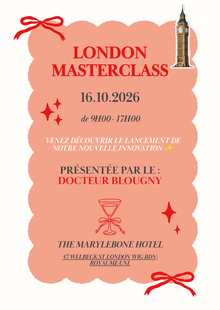
At Promesse Filler, we are convinced that taking care of your skin is much more than a matter of products: it's about understanding how it works. Today, we're going to talk about laser, an innovative technology that will soon be part of a new independent project that we can't wait to unveil!
Laser is now an essential technology in aesthetic dermatology. Primarily used for hair removal, it can also treat skin conditions such as redness, pigment spots, or certain types of scars.
This article aims to demystify how laser works and to explain the best practices for effective and safe treatment.
What is a dermatological laser?
A laser (Light Amplification by Stimulated Emission of Radiation) is a device that emits monochromatic (single wavelength) light, targeting a specific chromophore: melanin (hair, spots), hemoglobin (vessels), or water (wrinkles, resurfacing).
Each type of laser is defined by:
- Its wavelength (expressed in nanometers, nm)
- Its target chromophore
- Its penetration depth
💡 For example:
- Alexandrite (755 nm): melanin – ideal for dark hairs on light skin
- Nd:YAG (1064 nm): deep melanin – suitable for dark skin
- KTP (532 nm): hemoglobin – used for redness and vessels
How does laser hair removal work?
Laser hair removal is based on the principle of selective photothermolysis:
the laser light is absorbed by the melanin contained in the hair, converted into heat, which destroys the hair follicle without damaging the surrounding tissues.
Conditions for effectiveness:
- Dark, coarse hairs
- Light skin (high contrast = greater safety and effectiveness)
- Hair in the anagen phase (growth) – hence the need for several sessions
Session overview
Before the session:
- Shave the area 24 to 72 hours before
- No waxing, electric epilation or plucking 4 weeks before
- No sun exposure one month before
During the session:
- Wear protective eyewear
- Sensation: tingling, warmth (comparable to an elastic band on the skin)
- Cooling possible by air jet, gel or cryogen
After the session:
- Redness, localized edema (normal reaction)
- Visible hair residue for 7-10 days
- Avoid sun, heat, irritating cosmetics for 48 hours
Number of sessions required
The duration of the protocol depends on several factors:
| Factor | Impact |
|---|---|
| Treatment area | 6 to 10 sessions on average |
| Gender | Men often need more sessions |
| Hormonal age | <20 years (women) or <40 years (men) = more variable effectiveness |
| Hormonal disorders (PCOS, etc.) | Often require maintenance sessions |
Precautions and contraindications
Contraindications:
- Pregnancy
- Tanned skin or recent self-tanner
- Vitiligo
- Photosensitizing medications
- Certain skin pathologies not medically treated
Sensitive areas:
-
Face, nipples, chest (hormone-dependent areas)
→ Risk of paradoxical regrowth (stimulated hair growth)
Laser vs Pulsed Light (IPL)
| Criterion | Laser | Pulsed light |
|---|---|---|
| Accuracy | Very stable | Less than |
| Power | High | Moderate |
| Effectiveness | High, durable | Less effective in the long term |
| Usage context | Medical only | Sometimes in salons or at home |
IPL (Intense Pulsed Light) may be suitable for lightly pigmented hairs or sensitive individuals, but the results are less durable .
7. Post-laser care and recommendations
- Daily hydration with soothing cream (e.g., Cicalfate, Bepanthen)
- Application of an SPF 50+ daily on exposed areas
- Gentle exfoliation one week after the session if residues are present
- Space out sessions according to the protocol established by the practitioner (6 to 8 weeks)
8. Special cases and reimbursement
People with PCOS may benefit from partial coverage if hirsutism has proven medical or psychological consequences (dermatological opinion required).
9. In summary
Effective on dark and coarse hairs
Safe technology when properly used, in a medical setting
Long-lasting , but not necessarily permanent
Preparation and follow-up essential
Personalization of the protocol according to phototype and medical history
Key takeaway
Laser treatment is both an aesthetic and medical procedure . It requires an in-depth knowledge of the skin, hair, and skin reactions . For safe and effective treatment, it must be performed under medical supervision, with an individualized protocol .
Taking care of the skin as a whole has always been at the heart of our approach. That's why we are preparing to open a new, specialized, independent space dedicated to laser treatments. Here is the link to our Instagram page regarding the upcoming opening of our laser center.